Cosmetic refresh
Everything a viewing sees, nothing behind the walls.
- Full repaint throughout
- Flooring replaced or refinished
- Fixtures, handles and lighting swapped
- Construction clean before listing
Every day you hold the property costs you money. We scope the work against your resale or rental target and tell you plainly what will not return what it costs.
A rental turnover and a resale flip are different briefs and should not be quoted the same way. Tell us which one you are running.
Everything a viewing sees, nothing behind the walls.
Layout changes, new kitchen and baths, services brought up to date.
A legal income unit, where the property allows one.
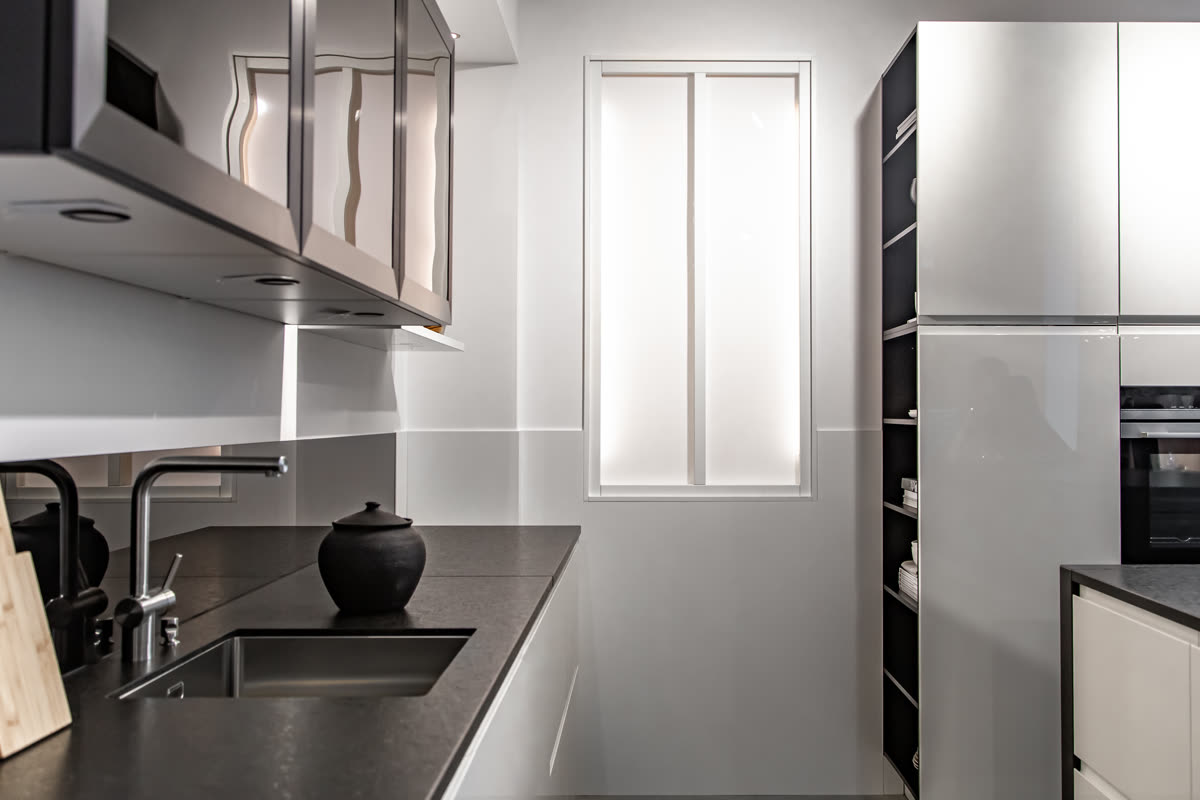
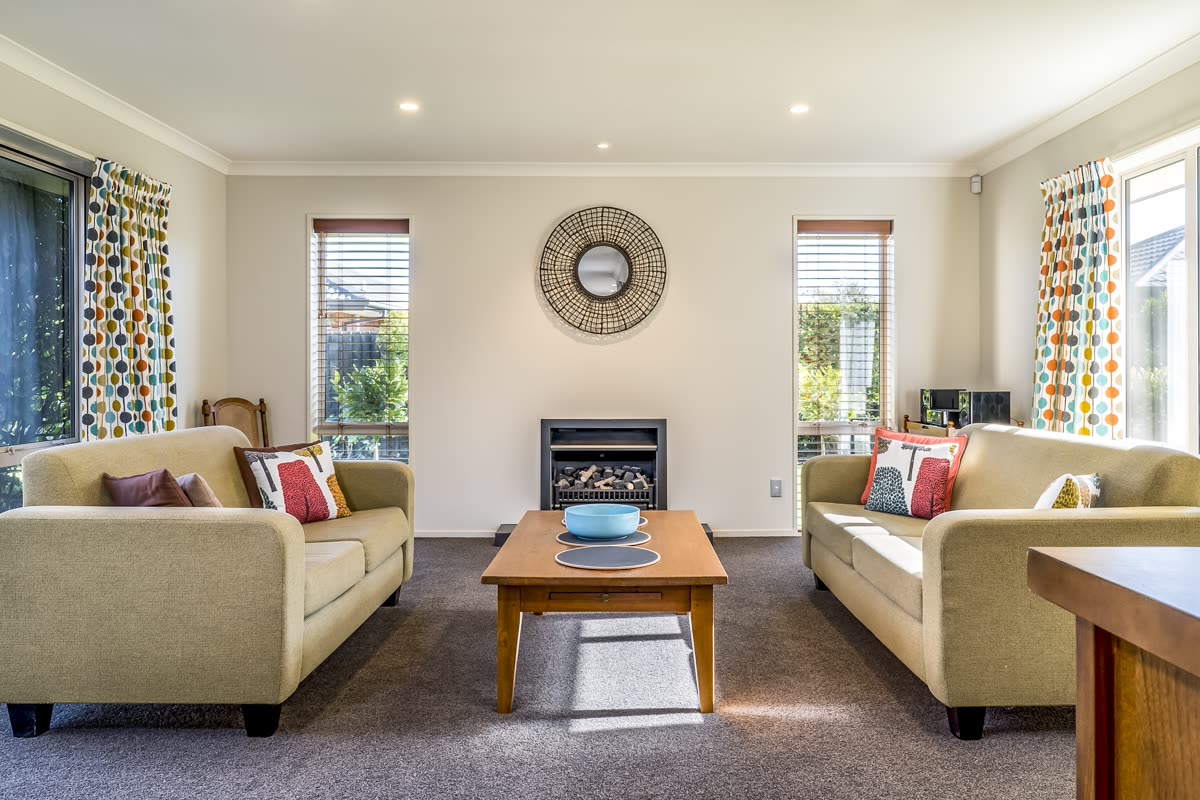
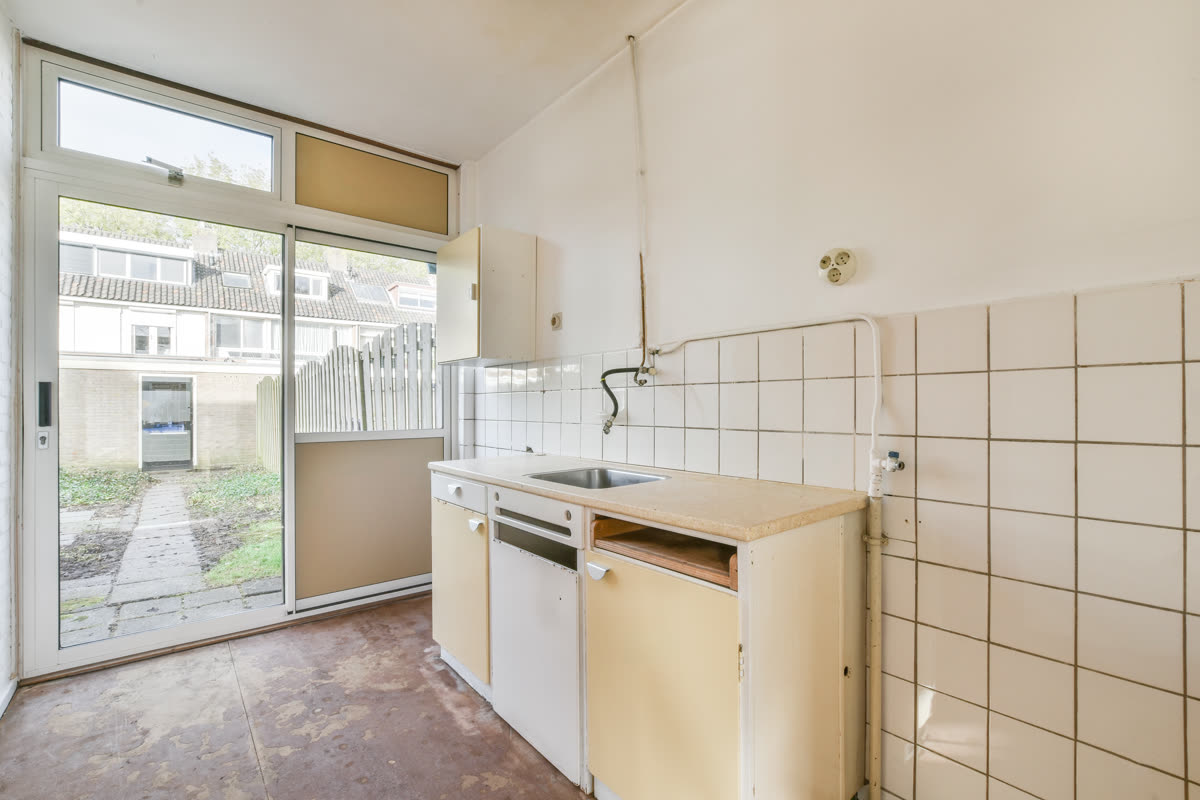
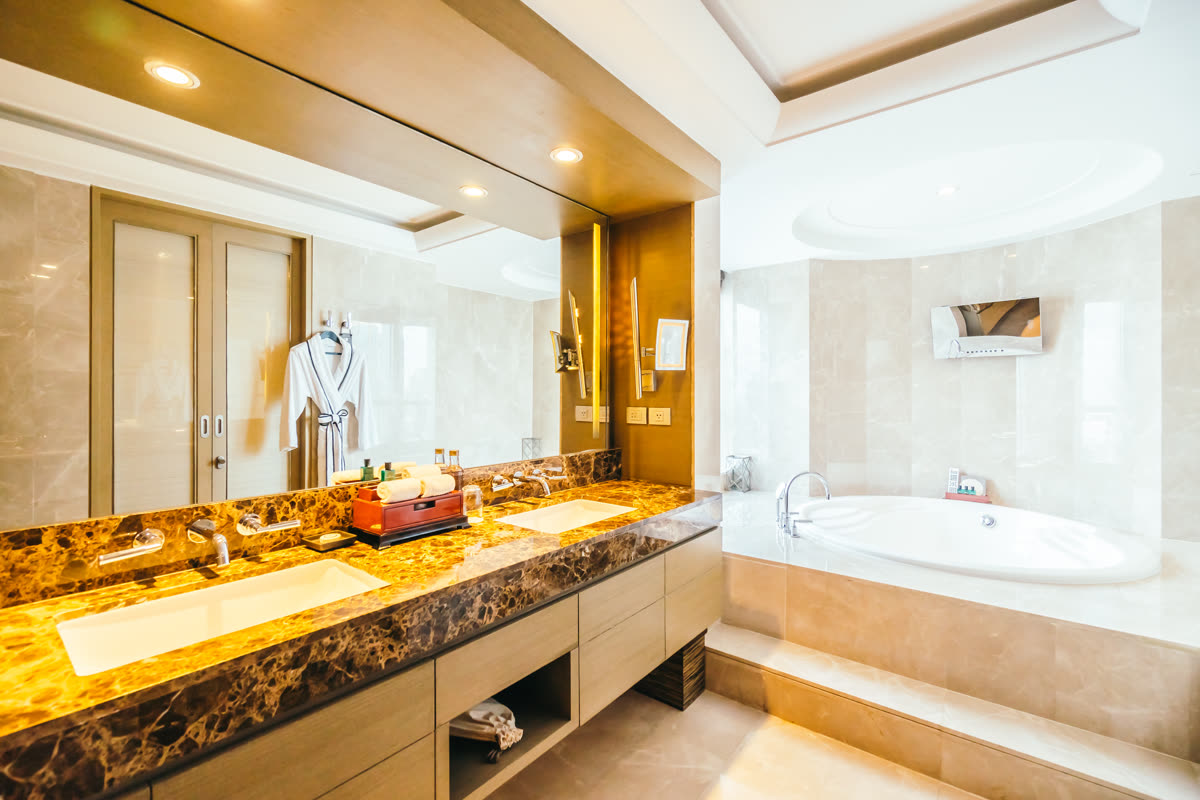
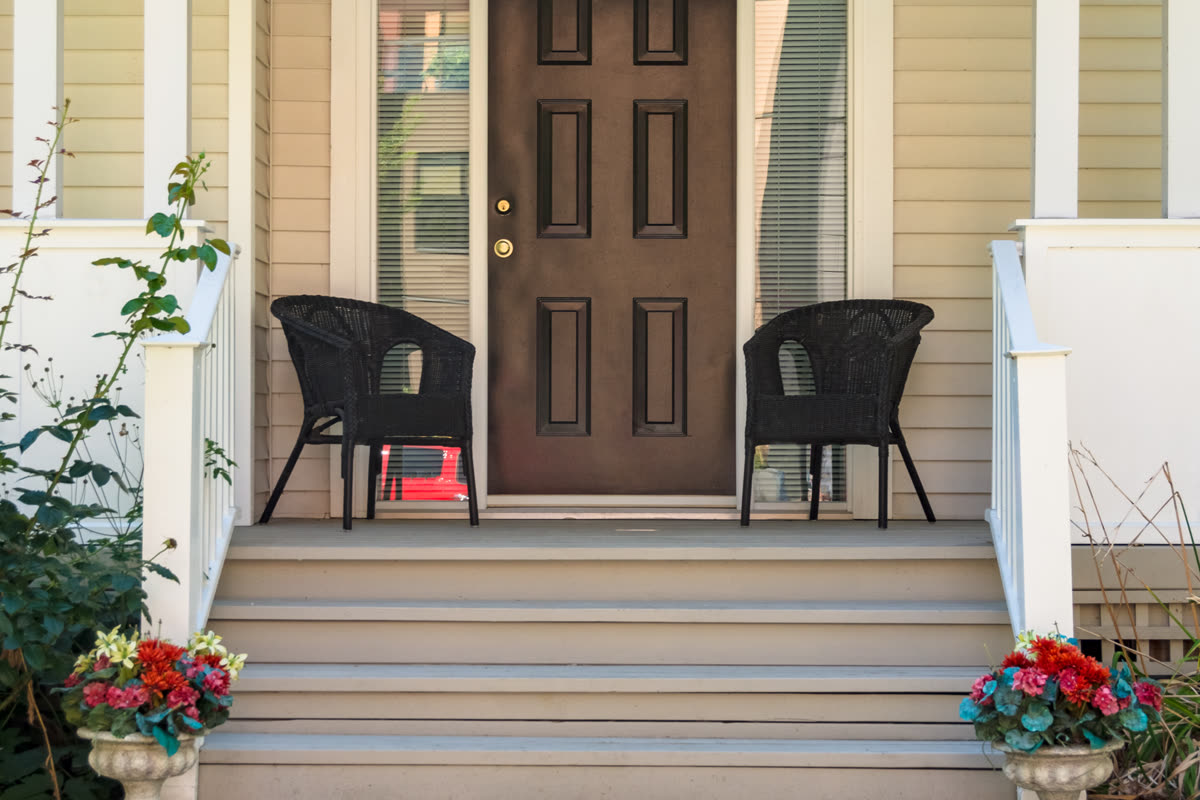
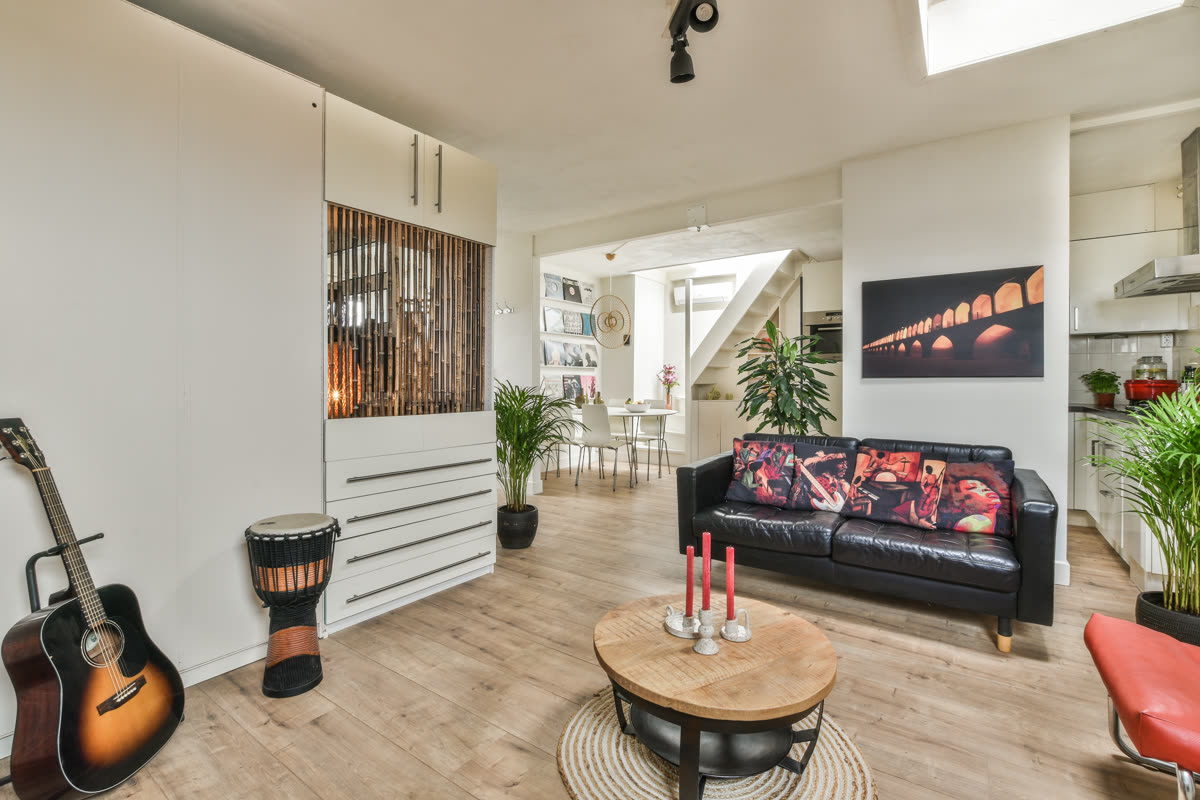
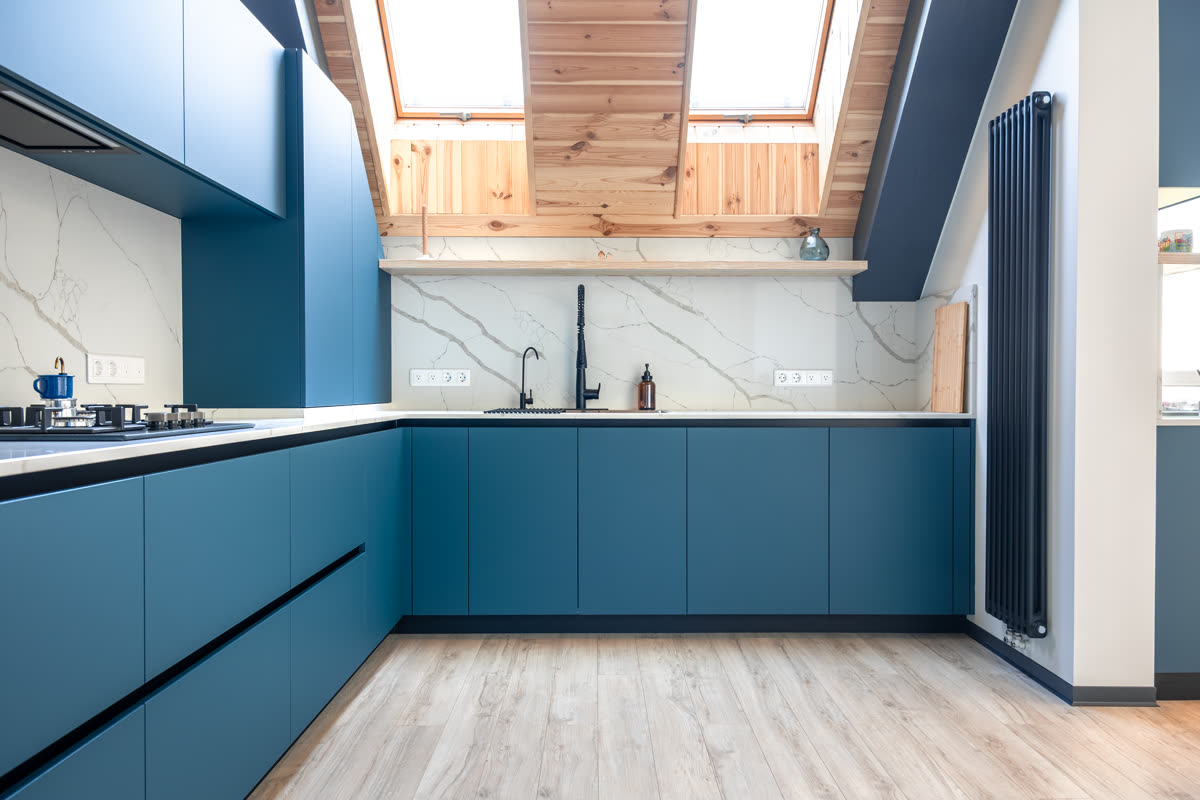
The two frames below are separate properties, not a before-and-after of one job — they show the condition we typically start from and the standard we finish to.
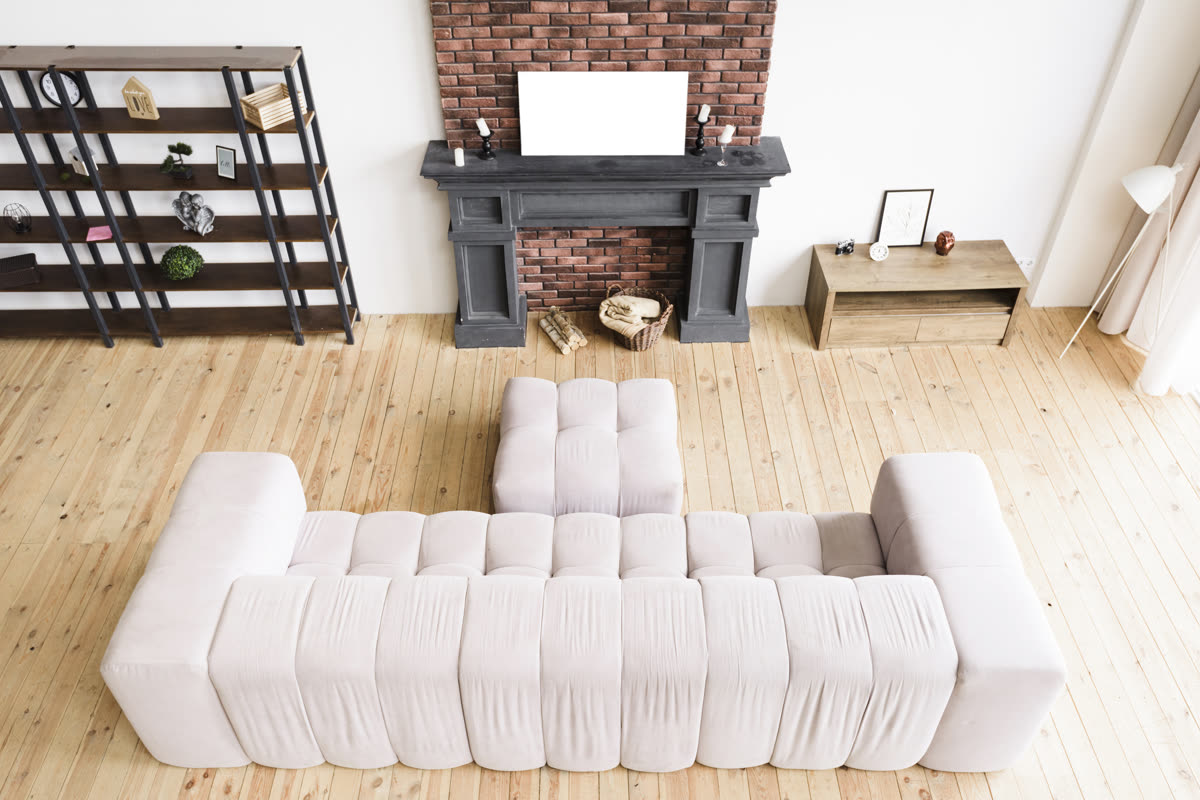
Filter by type, or open any photo full-size. These images show the finishes and standards we work to — ask us for photographs of recent projects in your area.
Tick what you know to be true of the property. This is an indicator to tell you whether a site visit is worth booking — it is not a code ruling, and only your municipality's building department can give you one of those.
The same property gets built differently depending on what you intend to do with it. Tell us the exit at quoting time and the spec changes accordingly.
Everything is aimed at one set of photographs and a short marketing window, so consistency and neutrality beat durability — the finishes need to survive viewings, not a decade of tenants. Timeline is the dominant cost: mortgage interest, tax, insurance and utilities run every day you hold it. Compliance is standard permit work, but anything unpermitted from a previous owner has to be resolved before closing rather than disclosed at it.
The opposite brief. Finishes are chosen for tenant wear and for being replaceable from stock in ten years without a special order, because you will be turning this unit over repeatedly. Spend moves from what photographs well to what does not need calling out about: hard-wearing floors, simple fixtures, easy-clean surfaces, and mechanicals that will not generate a maintenance call in year two.
The highest-return item in most of the GTA, and the one where 'legal' does the heavy lifting. Egress, ceiling height, fire separation, ventilation, a compliant entrance and what the zoning permits at that specific address all have to line up. Built properly it is income a lender and an appraiser will both count. Built improperly it is a liability at closing, at insurance renewal, and the first time a tenant complains to the city.
The only case where taste is genuinely worth paying for, because you are the one living with it. Timeline pressure largely disappears — there is no carrying cost on a property you are occupying — so the work can be staged across phases as budget allows, and the specification can be chosen for how long you want it to last rather than for how it photographs to strangers.
Investors price risk for a living, so we put ours on the page. Here is what is carried and what sits outside the number.
An honest line-by-line read on what returns and what does not, before you commit budget.
The number and the dates you plan your financing around, in writing.
Filed, attended and cleared — including on second-suite builds.
The property is left listable, not left swept.
Knob-and-tube, rot, mould, failed plumbing — priced as a written change order once exposed. On older stock we advise budgeting a contingency.
We hand over photo-ready; the marketing side is your agent's.
If ceiling height or egress rules one out, we say so at the walkthrough rather than build something unpermittable.
We can tell you what a finish costs. What it is worth on the day is your agent's and your appraiser's call.
Three questions, and this builds the scope your quote would be written against. No prices here — those go in writing, after we have walked the property.
Still unsure about something? A quick call usually clears it up faster than email.
Talk to usA cosmetic refresh — paint, flooring, fixtures, a light kitchen and bath update — is usually two to four weeks. A full gut with layout changes and permits is measured in months, and the permit stage is the part neither of us controls. We commit to a schedule we can actually hold rather than the one that wins the contract, because on your side of the ledger a missed date is a real carrying cost.
Yes, and it is the most useful thing you can give us. Tell us the number and we build the scope to fit it, showing you what comes out and what the trade-off is. What we will not do is quietly cut things that matter — waterproofing, ventilation, code work — to make a headline number look better. Those get protected and something cosmetic gives way instead.
Often, but it depends on the property rather than on the budget. The gating items are ceiling height, a compliant egress window or second exit, fire separation between units, ventilation, and what the municipal zoning permits at that address. We assess all of it at the walkthrough and tell you straight if the answer is no — an unpermitted suite is a problem at closing, at insurance renewal and at the first complaint, so it is not a corner worth cutting.
Yes. Construction dust settles for days after the last trade leaves, and a unit that photographs badly costs you more than the clean would have. We clear the deficiency list, do a full construction clean including inside cabinetry and on window tracks, and hand over a property you can photograph and list that week. Staging and photography itself we leave to your agent.