
Painting done prep first.
Anyone can roll a wall. What makes a finish last is everything that happens before the colour goes on.
- Interior & exteriorCoverage
- Low-VOC premiumPaint grade
- 2–4 daysTypical room to floor
- Every surfacePrepped, not skipped
Four kinds of painting work.


What a finished coat looks like.
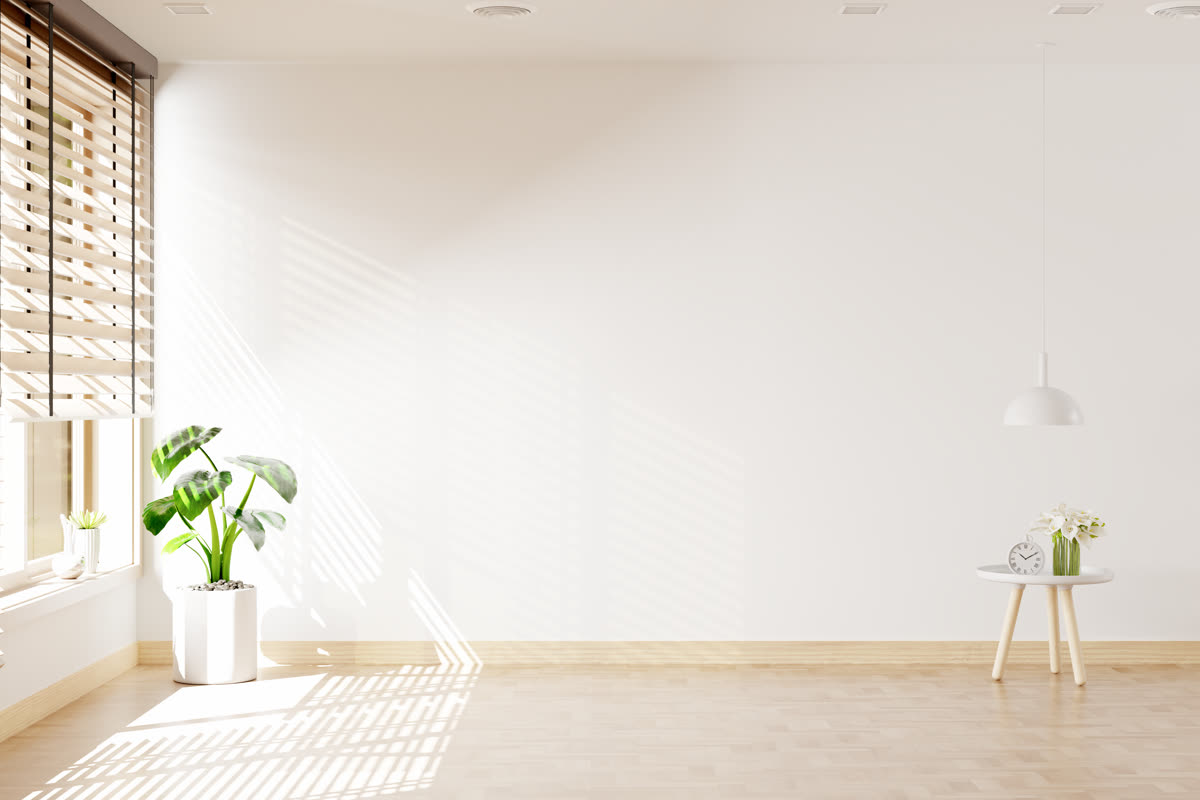
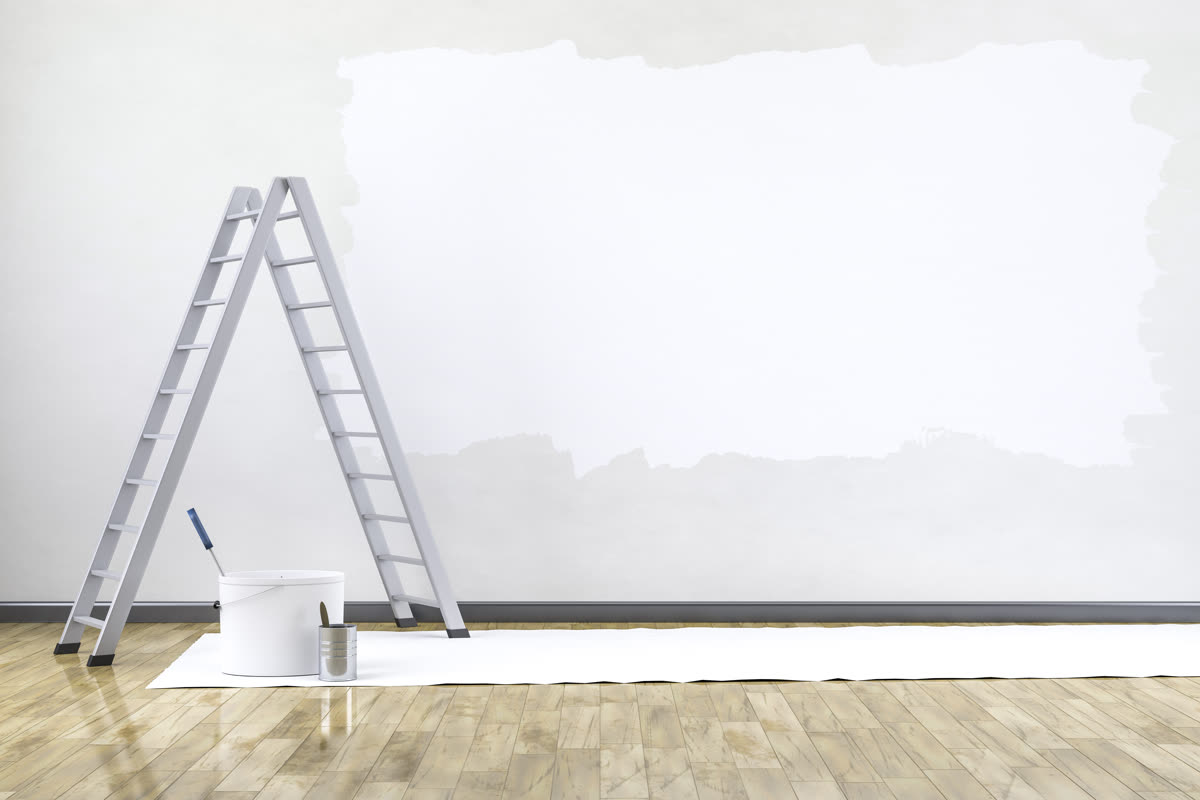
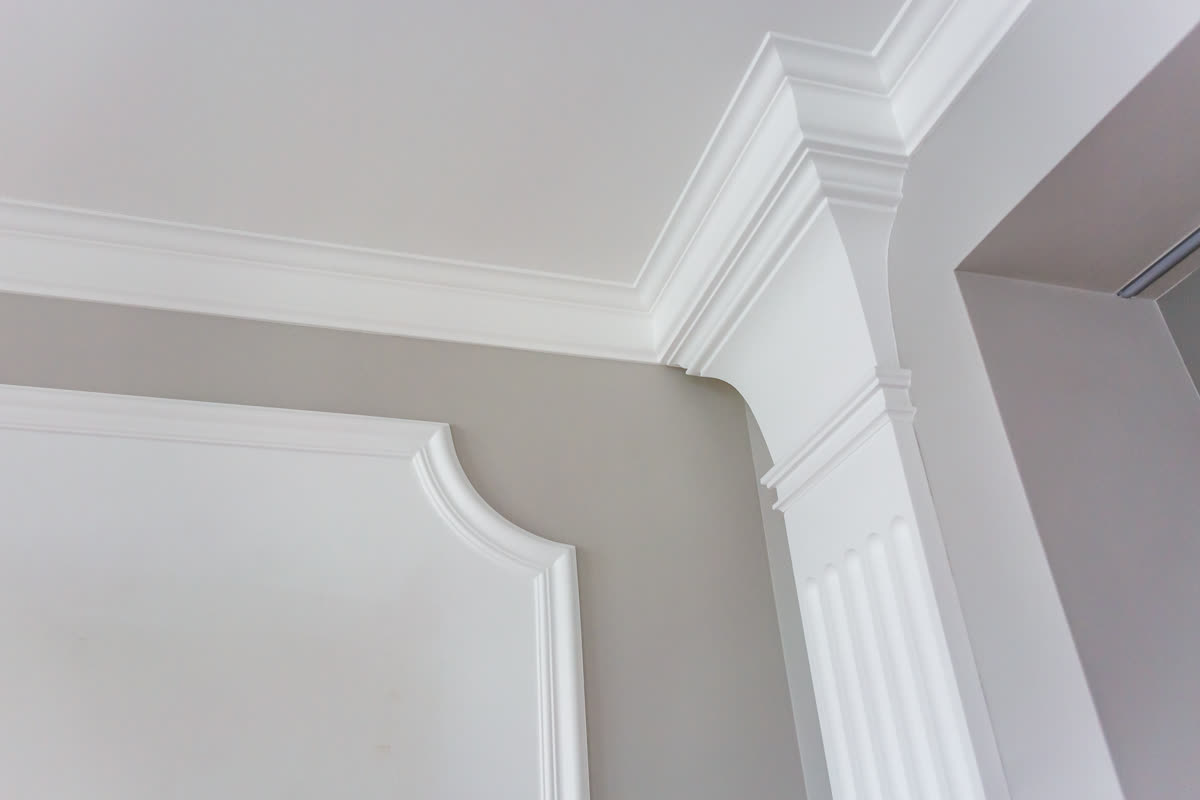
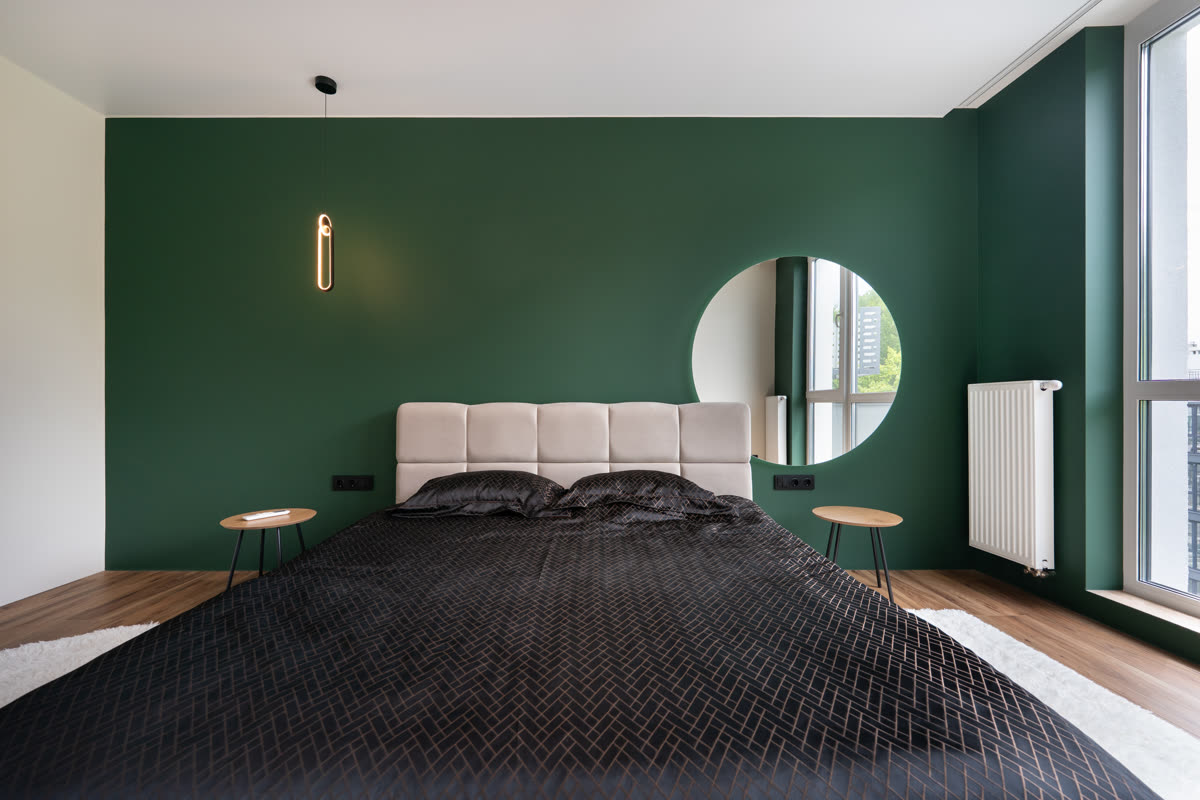
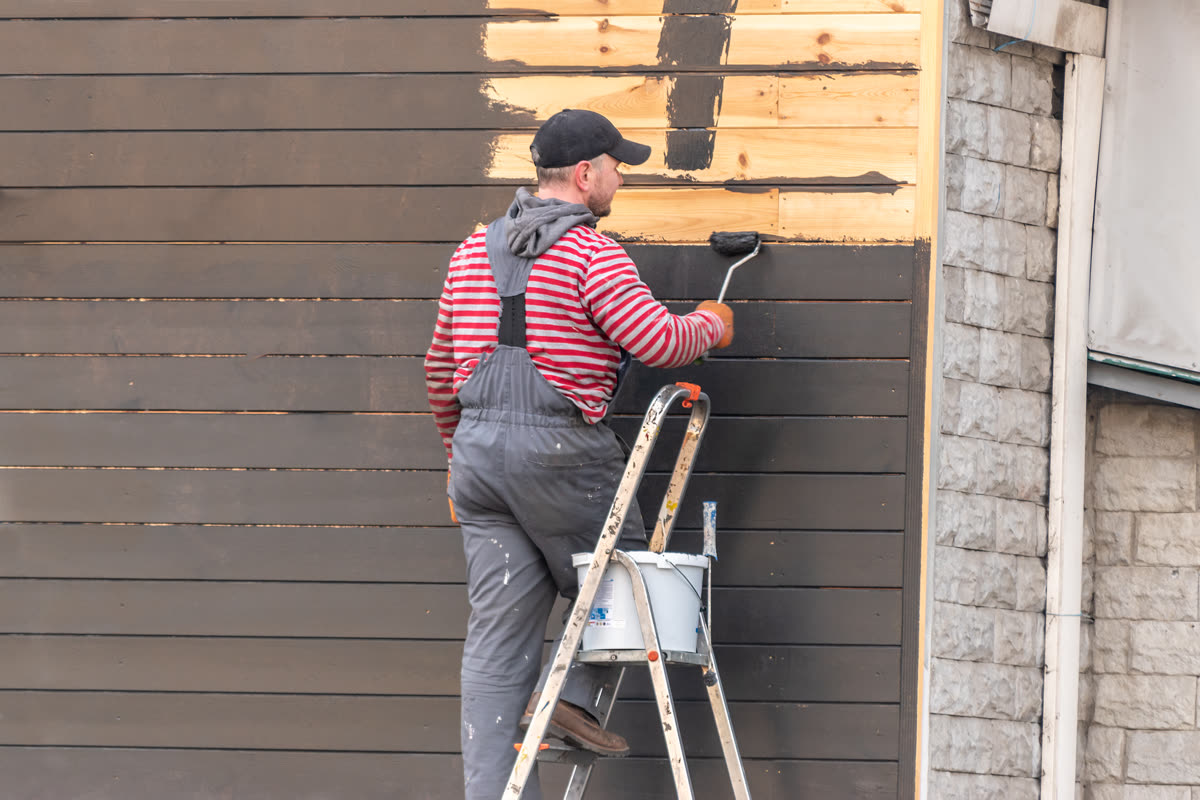
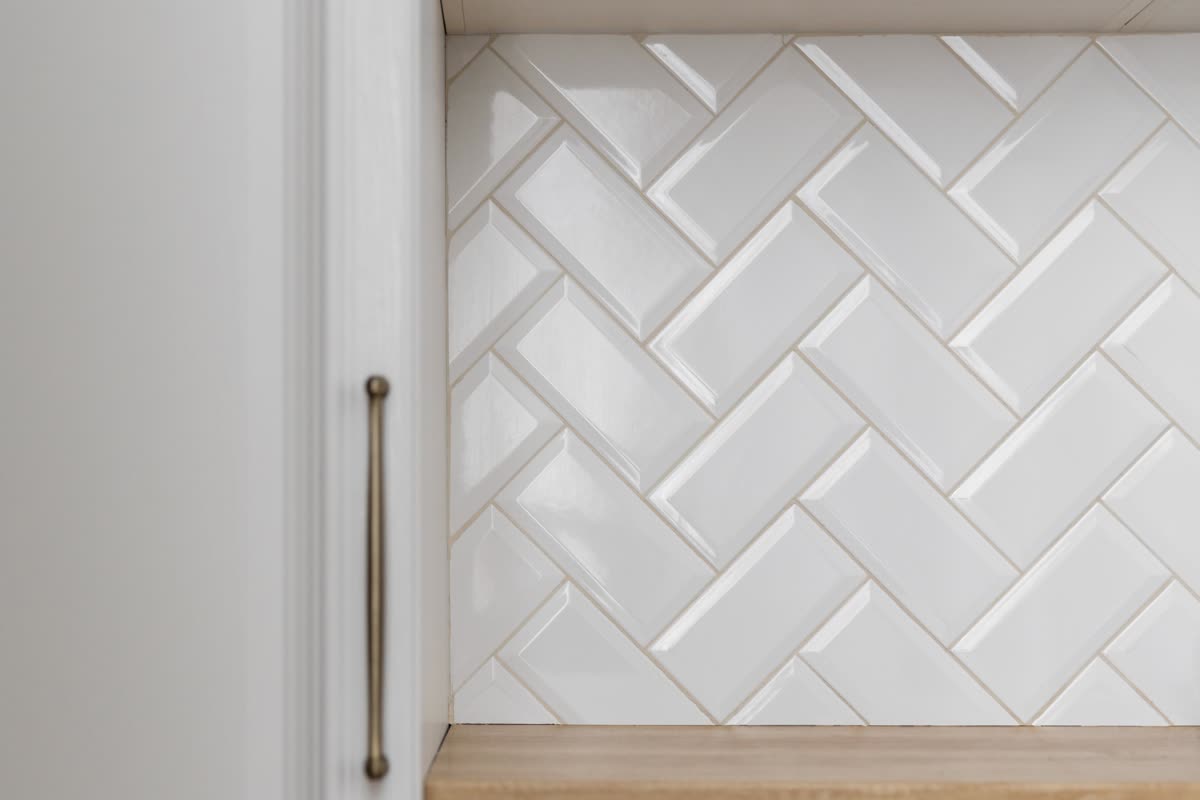
Filter by type, or open any photo full-size. These images show the finishes and standards we work to — ask us for photographs of recent jobs in your area.
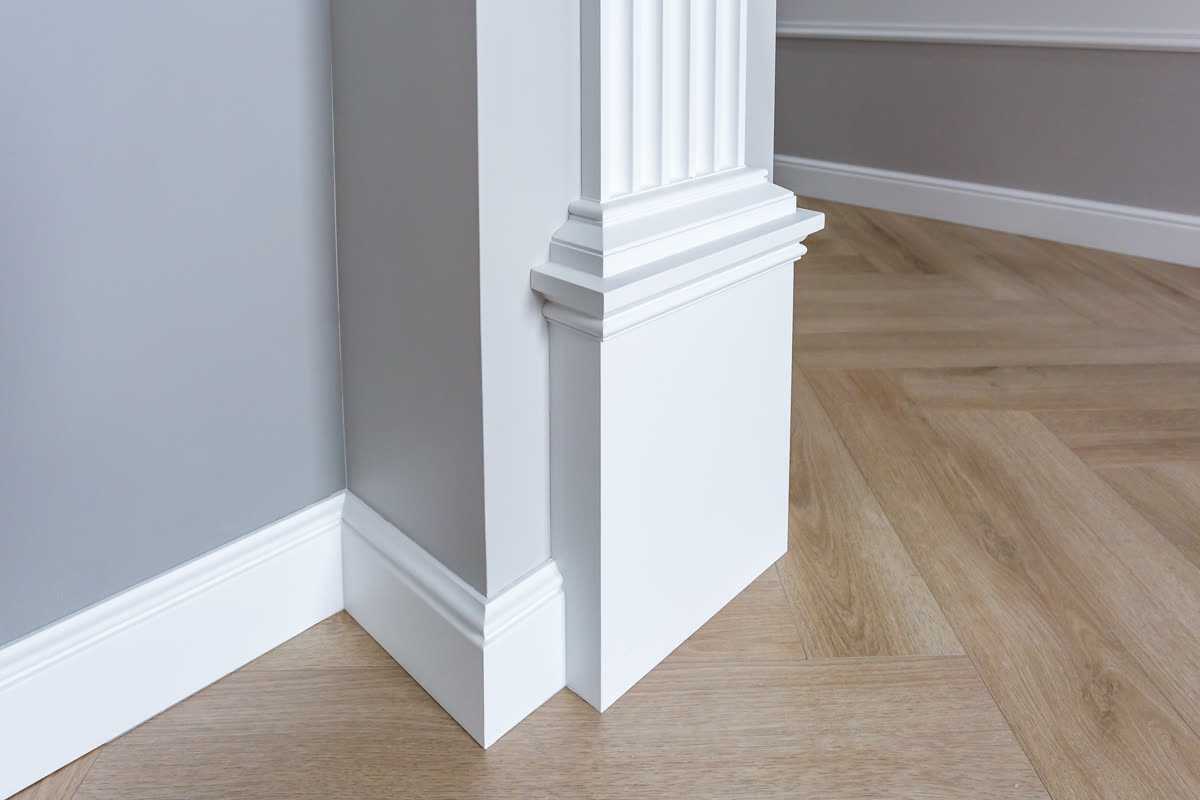
Five steps. Four happen before colour.
The order never changes, and skipping one is how a finish fails early.
-
Step 01. Protect
Furniture centred and sheeted, floors covered, hardware off.
-
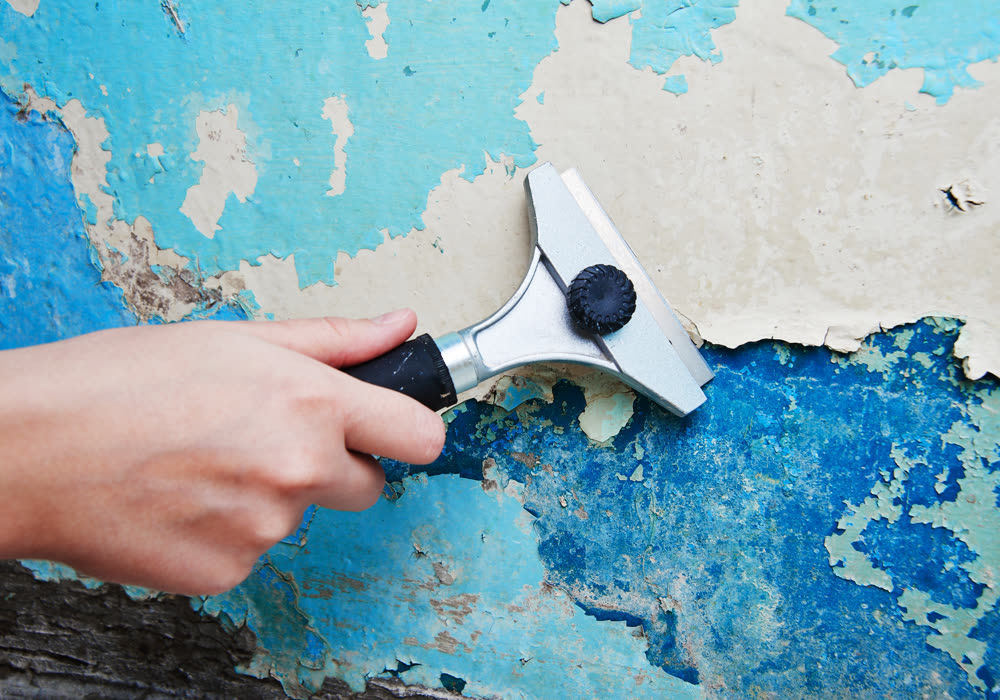
Step 02. Strip back
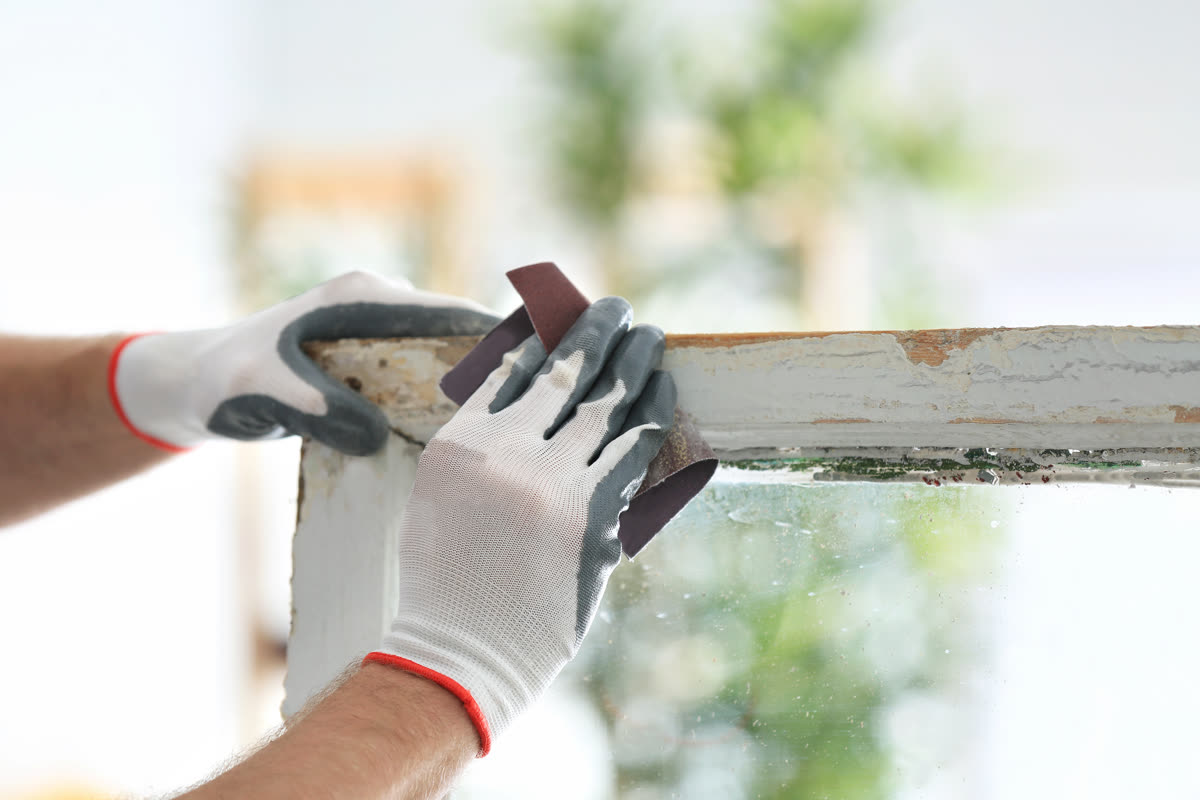
Anything loose, flaking or failing comes off first.
-
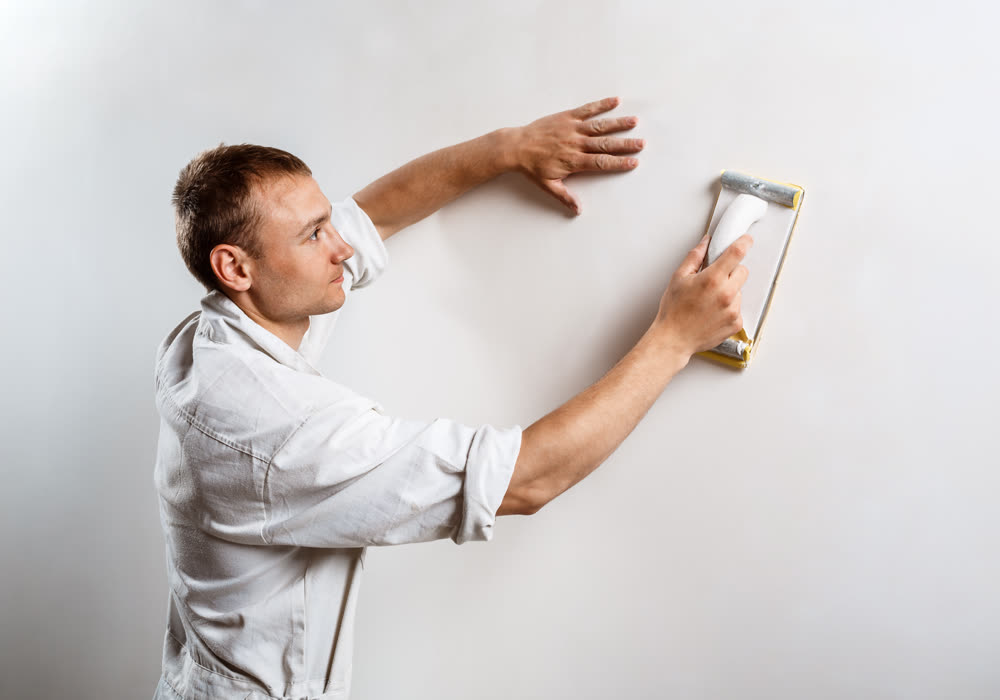
Step 03. Fill & sand
Cracks filled, nail holes stopped, the surface sanded flat.
-
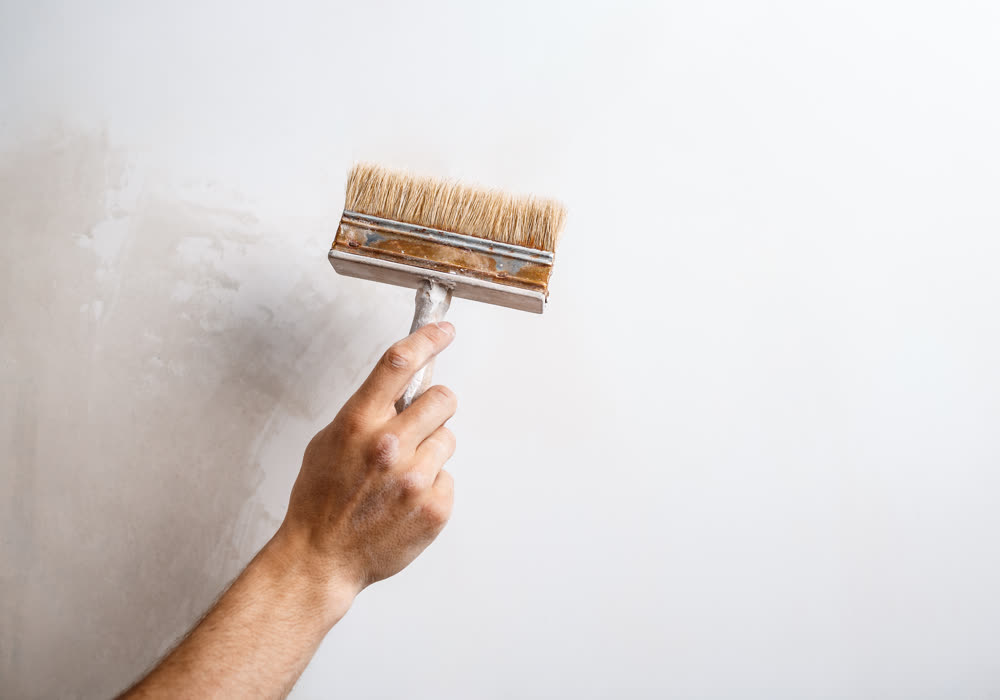
Step 04. Cut in
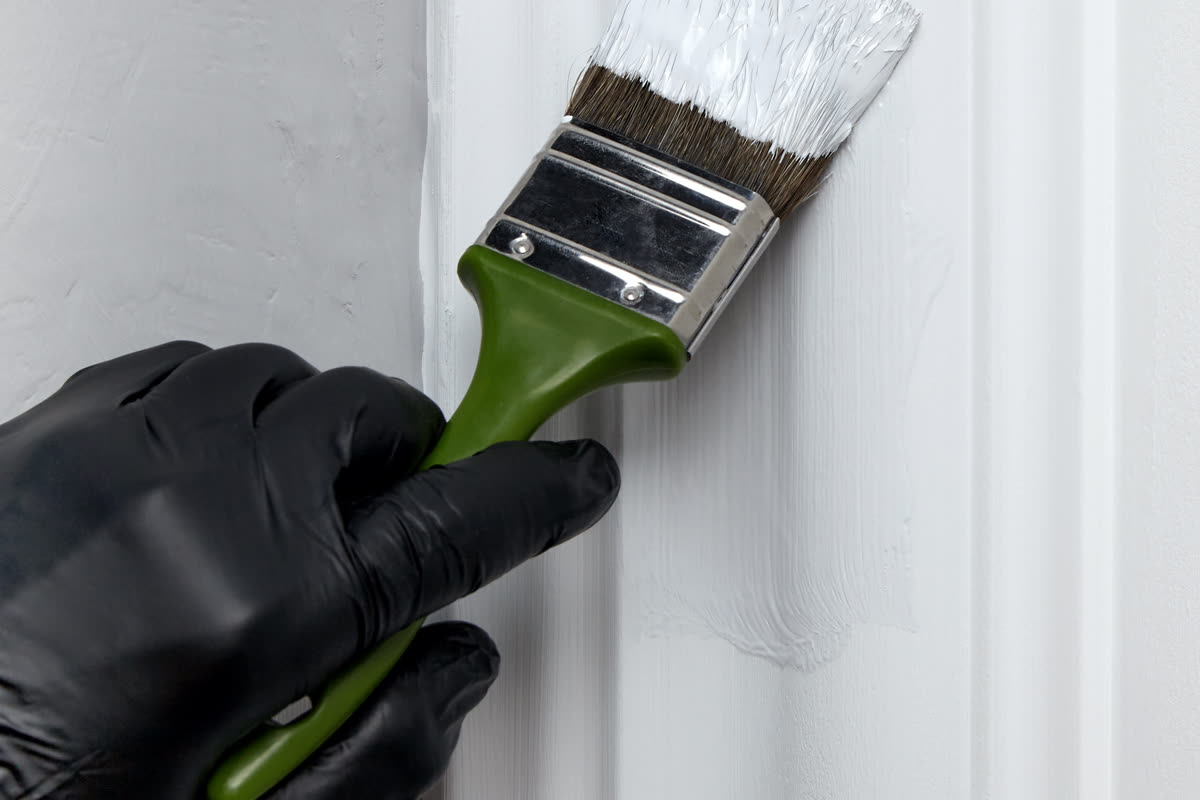
Edges and trim lines cut by brush, never taped and hoped.
-
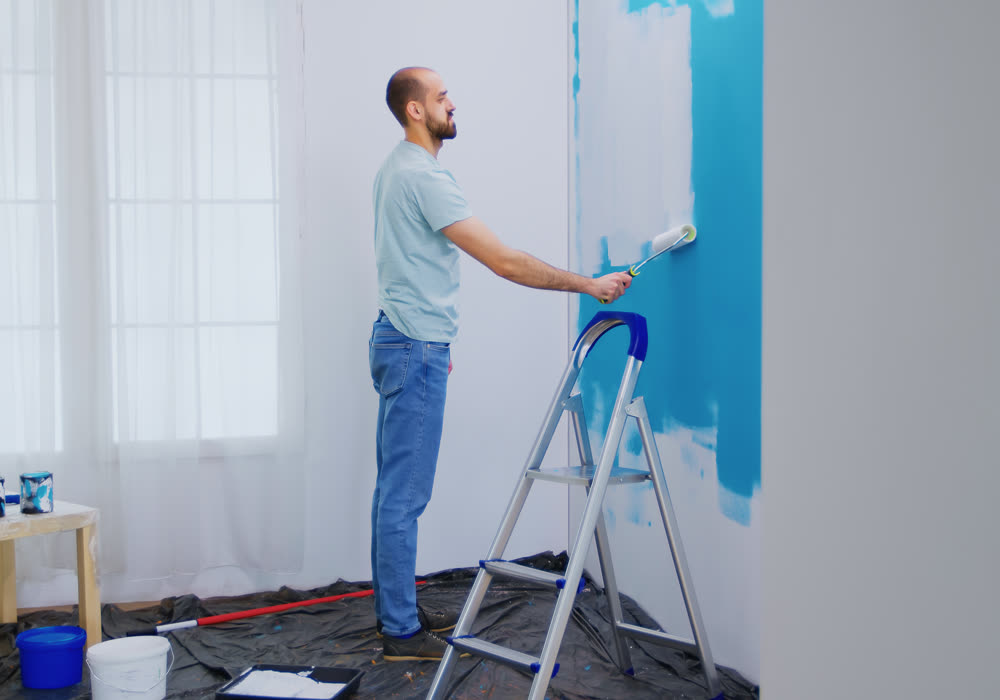
Step 05. Two finish coats
Full coats, not one stretched thin, with drying time between.


Sheen decides more than colour.
Colour is the part everyone agonises over. Sheen is the part that decides whether the wall wipes clean, how much of the surface underneath it shows, and how it holds up in a hallway with children in it.
Bring us a colour or bring us nothing — we will sample it on your wall, in your light, before a full coat goes anywhere.
Five sheens, and where each belongs.
Product characteristics, not preferences. Click any row for where that finish earns its place.
The most forgiving finish there is — it scatters light, so an imperfect ceiling or an old wall with a history looks calm under it. The trade-off is that it marks easily and does not take scrubbing, and burnishes to a shine where it is rubbed. Ceilings, adult bedrooms and formal rooms; not hallways, not children's rooms.
The default for most living spaces, and the compromise that annoys the fewest people: enough sheen to wipe a mark off, little enough to keep a wall from looking plastic. Living rooms, dining rooms, bedrooms and most hallways in a home that is not taking heavy abuse.
Noticeably more durable and genuinely washable, at the cost of showing every roller mark and wall defect the light can find. Kitchens, bathrooms, laundry rooms, kids' rooms and busy hallways — anywhere that gets touched, splashed or cleaned regularly.
The standard trim finish. Hard, wipeable and able to take repeated cleaning, which is exactly what baseboards, casing and doors need. It is unforgiving of surface preparation — every ripple in a door shows — which is why trim gets sanded properly before it is coated.
The hardest, most cleanable finish and the least forgiving by a distance. Used deliberately on feature doors, railings, cabinetry and metalwork where the substrate is smooth enough to earn it. On an ordinary wall it will find defects nobody knew were there.
What's in the quote, and what isn't.
A painting quote that hides its exclusions is not a quote, it is an opening bid. Ours states both sides up front.
-
Full surface preparation
Filling, sanding, caulking, scraping and spot-priming — itemised, not assumed.
-
All masking and protection
Floor covering, sheeting and hardware removal, plus reinstallation at the end.
-
Two full finish coats
Two genuine coats of the specified product, not one coat back-rolled and called two.
-
Daily cleanup and final sweep
The space is left usable at the end of each day, not just at the end of the job.
-
Structural drywall replacement
Small patches are included. Replacing water-damaged or failed board is quoted separately.
-
Lead or asbestos abatement
Pre-1980 homes may need testing. Certified abatement is a separate licensed trade.
-
Wallpaper removal
Quoted by area once we see how it was hung and what is behind it.
-
Specialty and decorative finishes
Venetian plaster, limewash and faux finishes are priced on their own.
Tell us the job. We'll show you the scope.
Three questions, and this builds the scope your quote would be written against. No prices here — those go in writing, after we have seen the space.
Painting, answered.
Still unsure about something? A quick call usually clears it up faster than email.
Talk to usA standard bedroom with walls, ceiling and trim is usually a two-day job — one day for protection, repair and priming, one for the two finish coats. A whole floor of a house is typically three to five days. Heavy repair work, dark-to-light colour changes and cabinet refinishing all add time, and we tell you which of those apply before you sign.
Neither, in most cases. We work room by room so you keep the rest of the house, and we move and sheet furniture ourselves — it is part of the quote. What we do ask is that you clear small valuables, electronics and anything breakable off surfaces before day one.
We supply it by default, at trade pricing, and the exact product and sheen are named in the written quote so you can look it up. If you would rather buy your own or you already have product on hand, that is fine — we adjust the quote and note that the material warranty then sits with you.
Yes. Bring us a labelled can, or we take a chip from an inconspicuous spot — behind a switch plate is ideal — and have it scanned and matched at the counter. Matches are extremely close but rarely perfect on an aged wall, so for a visible repair we usually recommend painting the full wall corner to corner.