
Hardwood
Solid and engineered, nailed or glued down.
- Moisture
- Low
- Wear
- High
- Refinishable
- Yes
Squeaks, lippage and cracked grout are almost never the fault of the material. They are the fault of what it was laid on.

What a floor is made of decides where it can go. These are the properties that matter before the colour does.
Solid and engineered, nailed or glued down.

Porcelain and ceramic over an uncoupling membrane.

Floating click planks, waterproof grades available.

Sanding back and recoating a floor you already own.
Most floor failures are subfloor failures. This is the order we work in, and none of it is optional.

Checked for movement, refastened, levelled. Every failure below starts here.

Underlay, or an uncoupling membrane under tile so the slab can move without cracking grout.

Only now does the material go down — onto something flat, dry and fixed.
Filter by material, or open any photo full-size. These images show the materials and standards we work to — ask us for photographs of recent installs in your area.
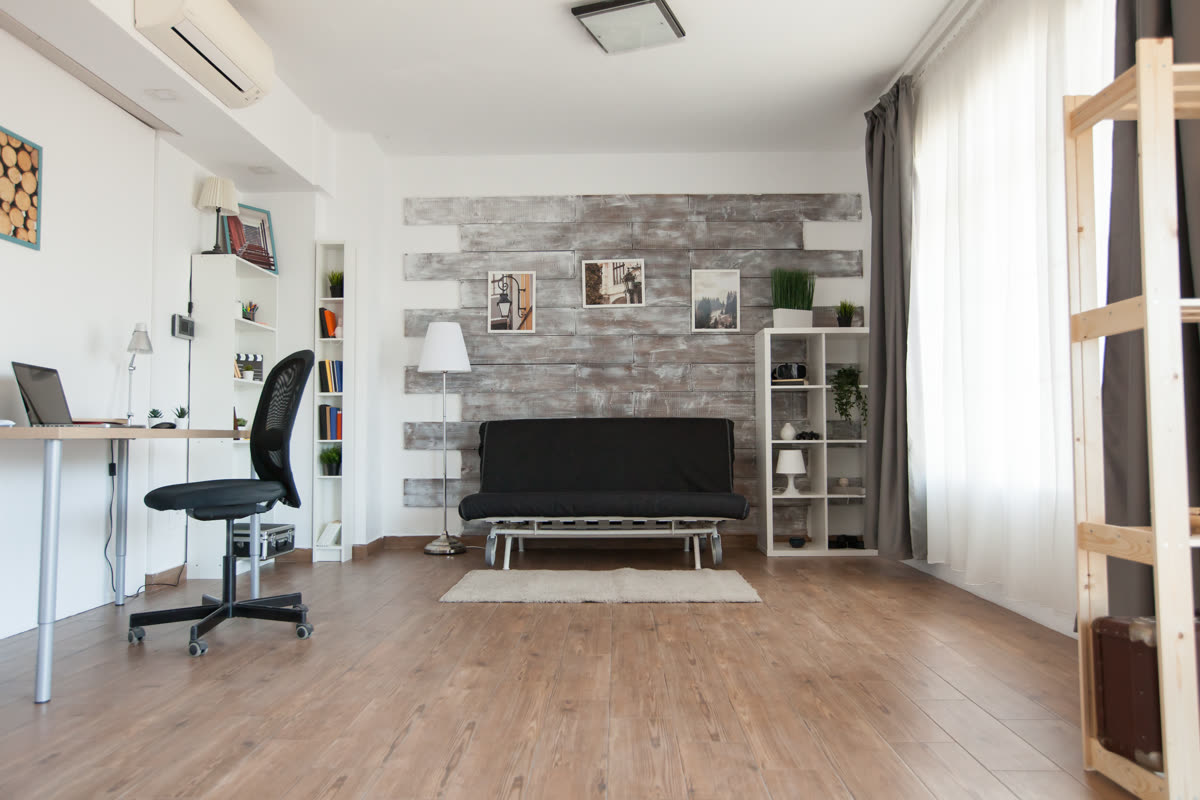
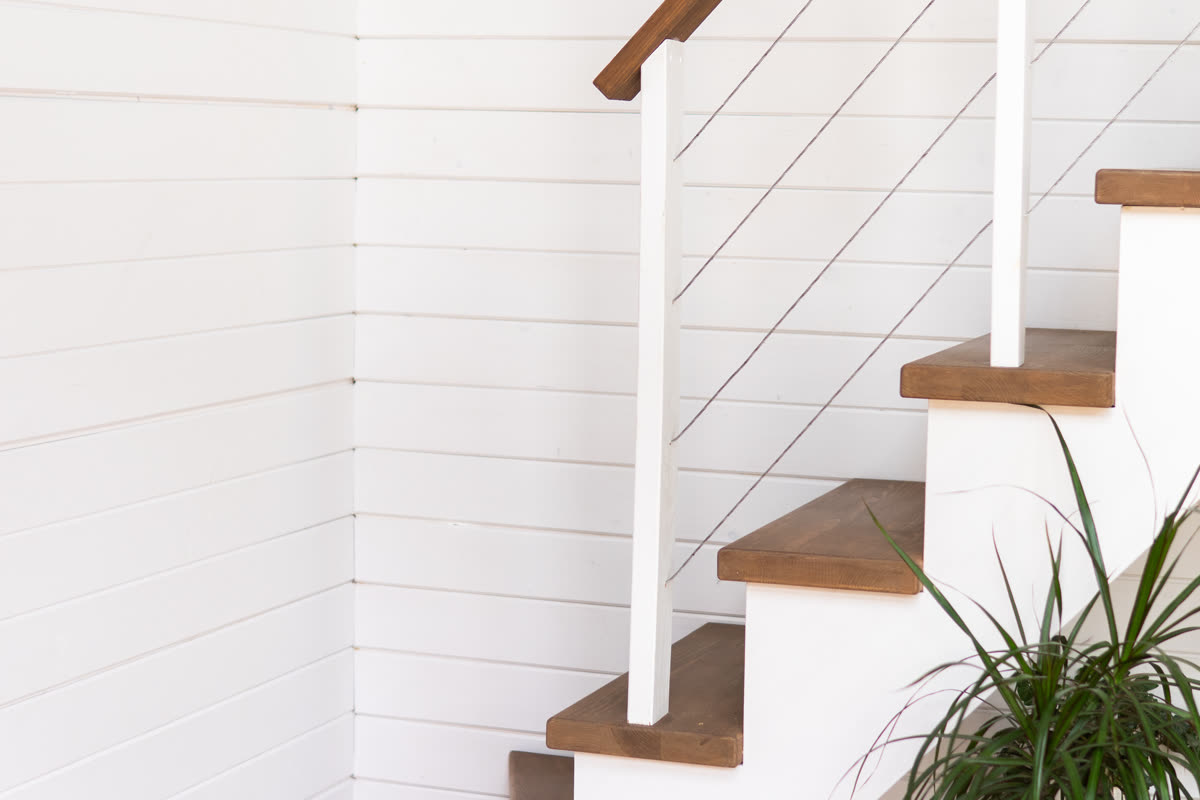
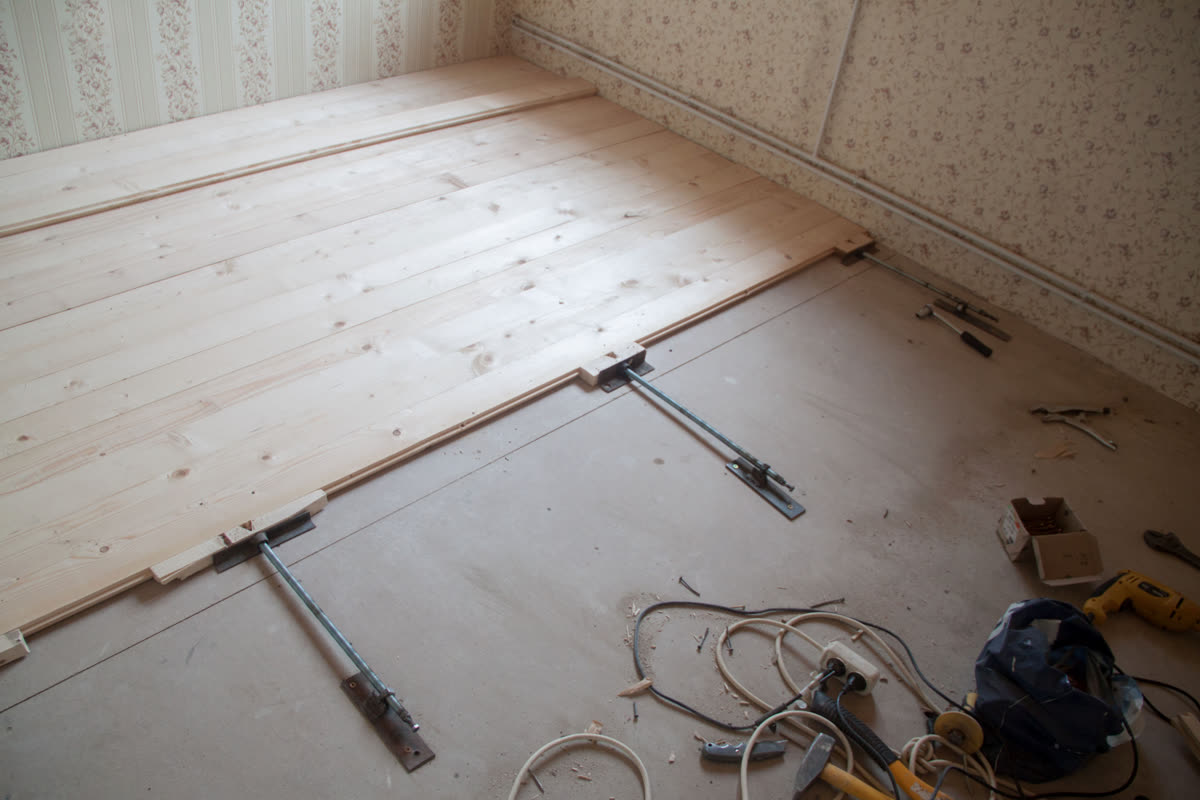
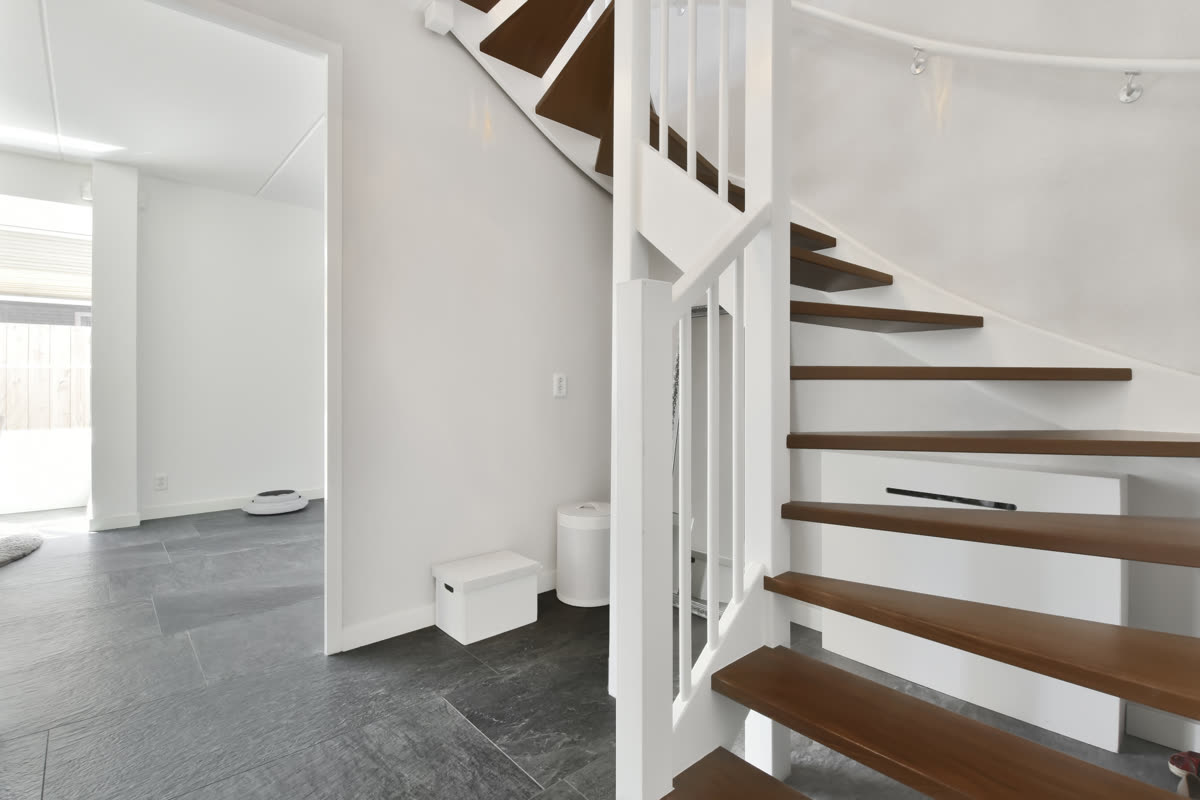
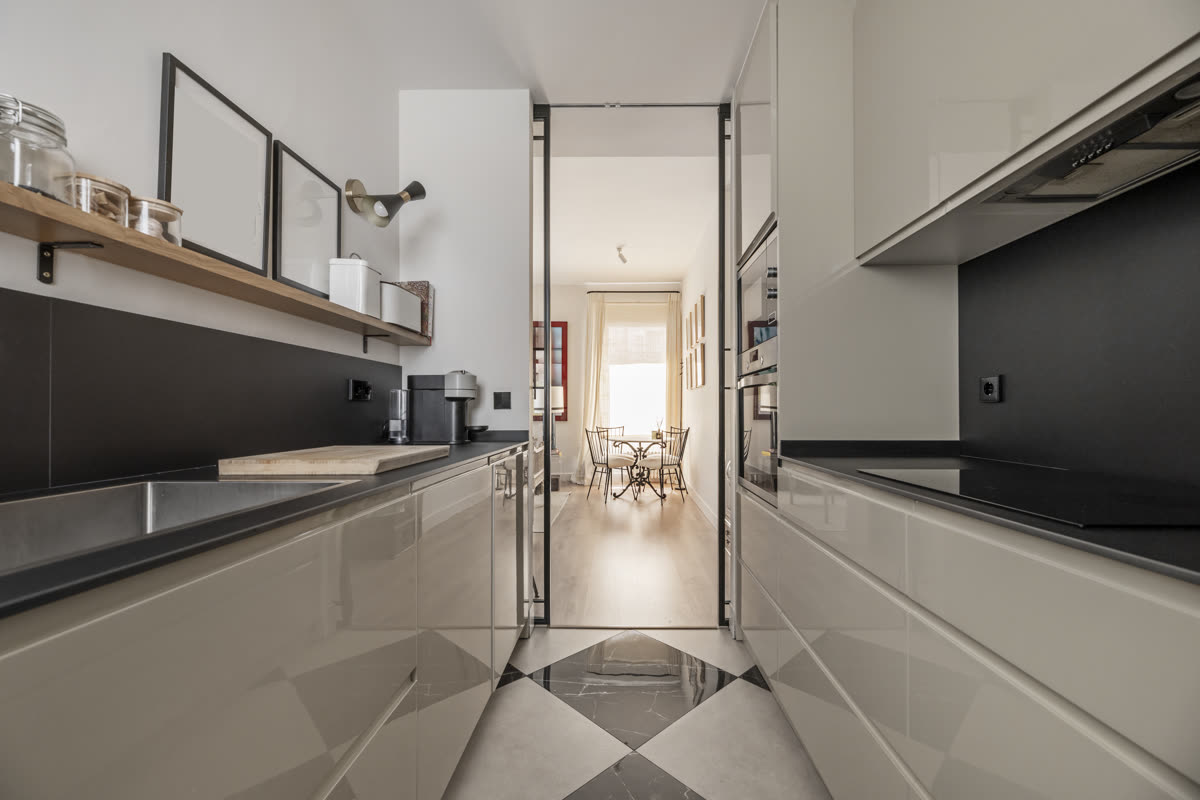
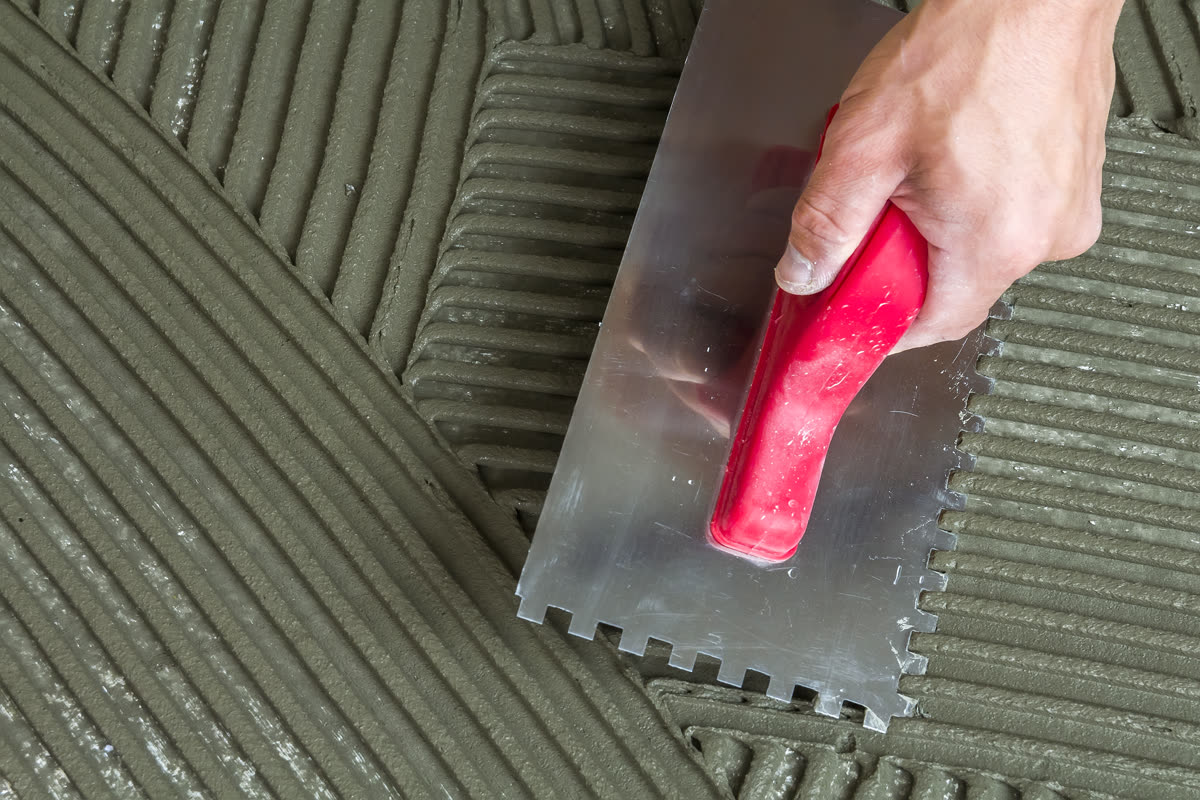
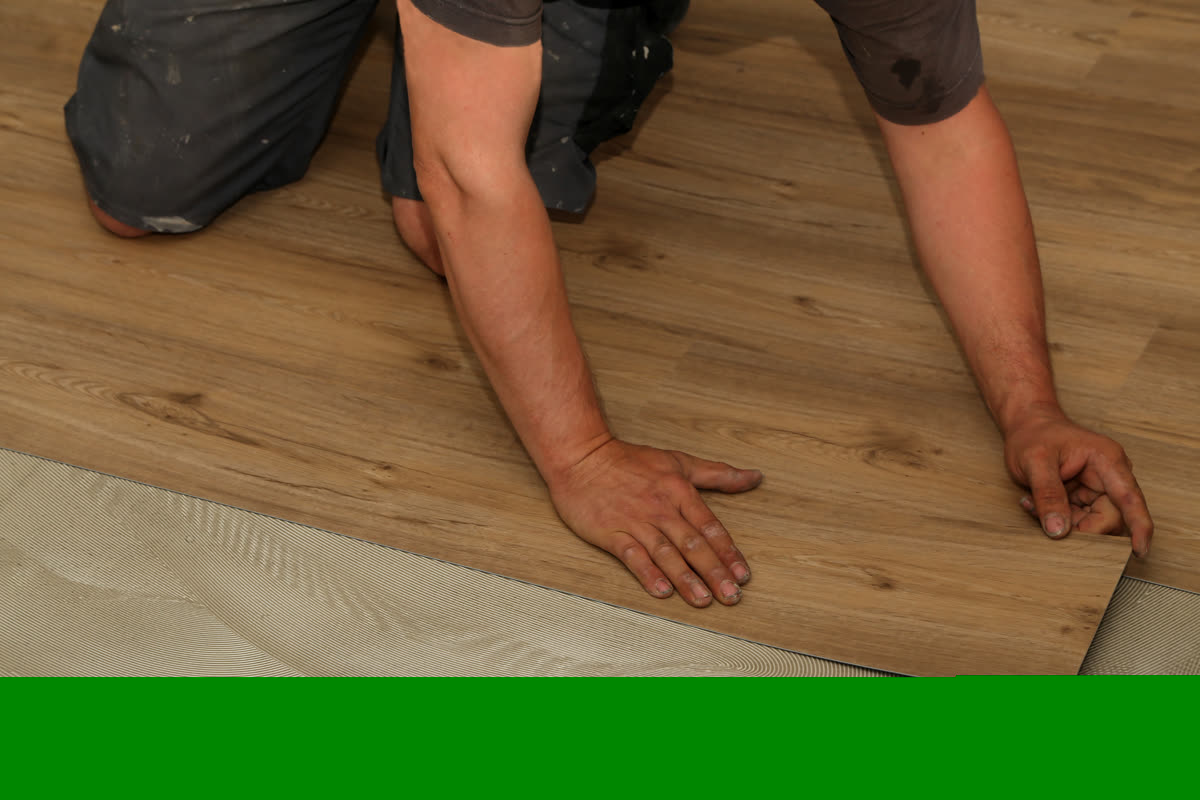
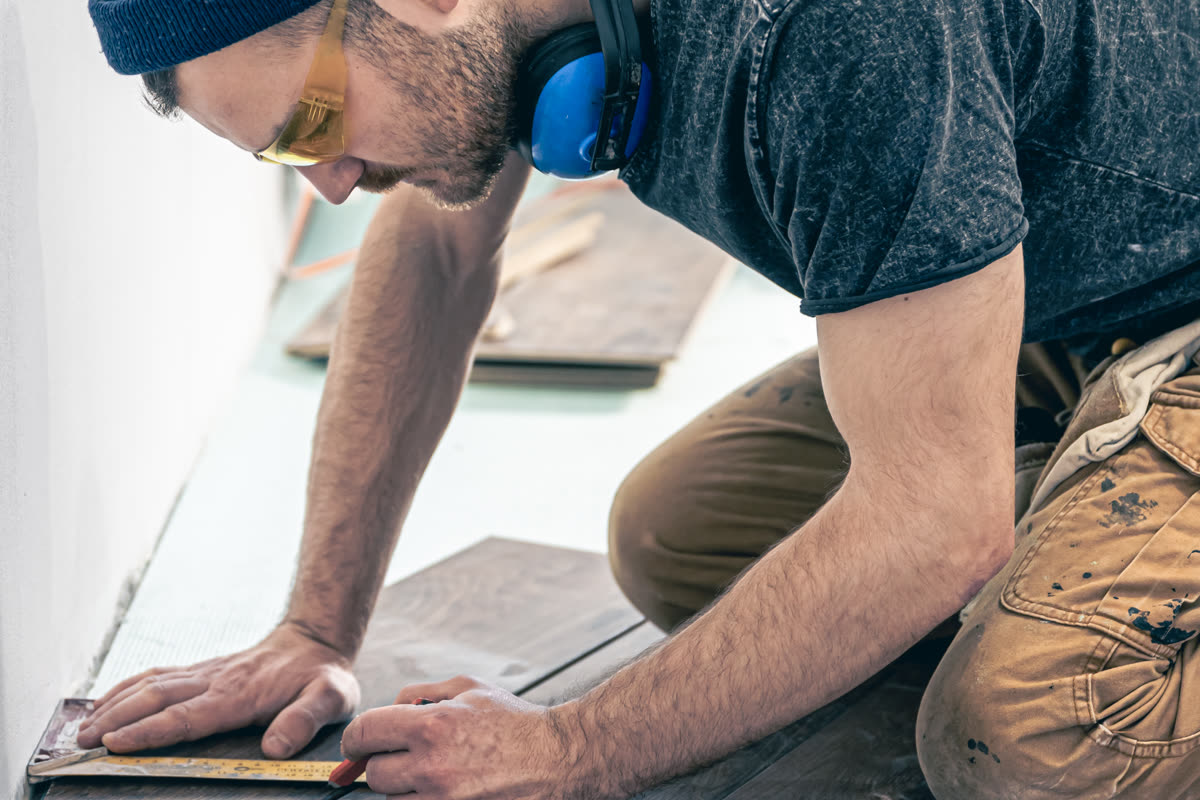
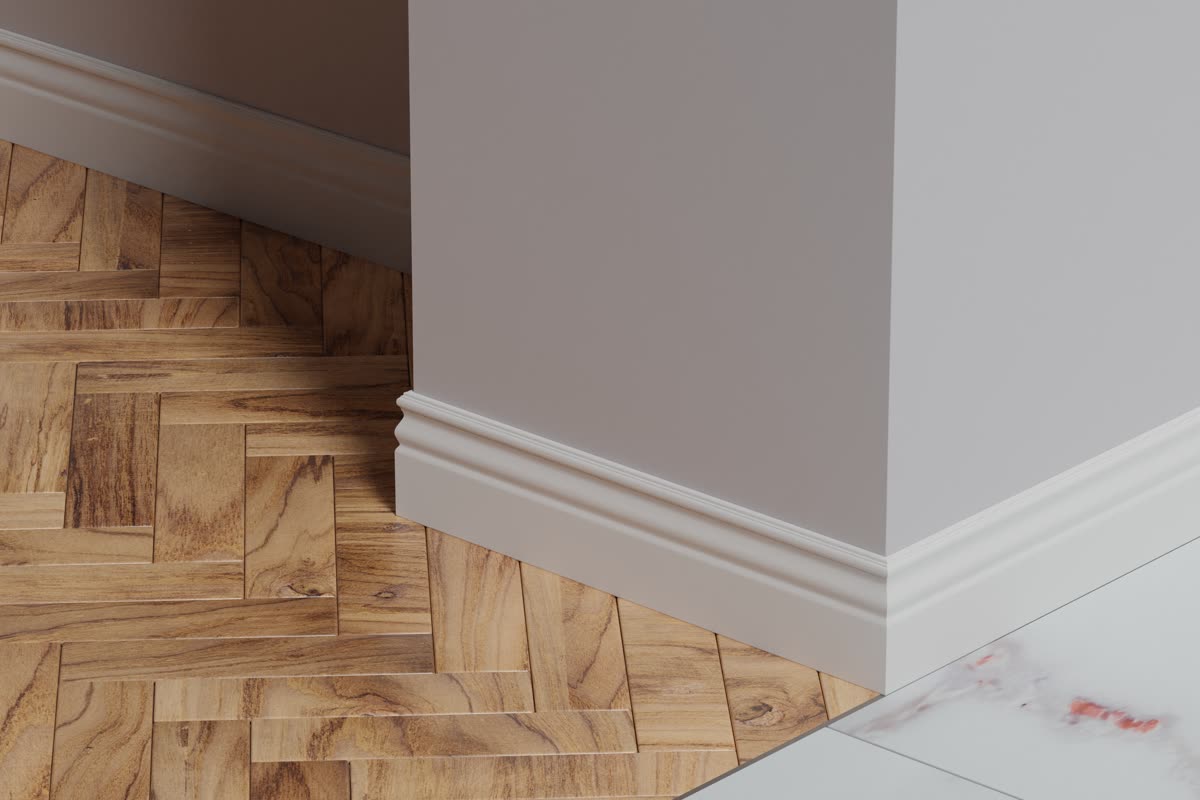
Moisture and traffic decide this, not taste. If you want a material we would not put in that room, we will tell you why before you buy it.
Click any row for where that material belongs, and where it will let you down.
The best long-term asset of the group, because it can be sanded and refinished several times across its life — a main-floor solid floor can be brought back rather than replaced. It also moves most with humidity, which is why it gaps in a dry February, and it should not go below grade or directly on a slab. Choose it for main-floor living space in a house you intend to keep.
Real wood on a stable plywood core, so it looks identical underfoot but moves far less with humidity swings and can be installed over concrete and below grade. The wear layer determines how many times it can be refinished — a thin one, never. The right answer for basements, condos, slab-on-grade and anywhere with big seasonal humidity movement.
Effectively waterproof, dimensionally stable and the only sensible choice in a shower or a laundry. Its weakness is the substrate, not itself: it needs a flat, stiff base and an uncoupling membrane, because it cannot bend and will crack or lift where the structure moves. Cold and hard underfoot unless you put heat under it, which is the moment to do it.
Waterproof, warm underfoot, quiet, and forgiving of a substrate that is not perfect — which makes it the practical answer for basements, rentals and busy family floors. It cannot be refinished, so when the wear layer goes it gets replaced; that is a feature in a rental and a limitation in a forever home. Quality varies enormously with wear-layer thickness.
The hardest-wearing surface per dollar in the group — a good AC4 or AC5 laminate resists scratching better than most real wood. The weakness is the core: standing water at a joint swells the board permanently, and the damage cannot be sanded out. Fine for bedrooms, hallways and living rooms; not for bathrooms, and only water-resistant grades near an entry.
Subfloor problems are the classic mid-job surprise in this trade. We would rather name the possibility in writing than discover it with your furniture in the garage.
Lifting the old floor and taking it away is part of the price, not an add-on.
Loose panels screwed down and squeaks addressed before anything covers them.
Normal dips and variation levelled with compound. Severe out-of-level is flagged with a price before we proceed.
The finish details at every doorway and wall, included rather than quoted after.
Rot, water damage or undersized framing is a carpentry job, quoted on its own once exposed.
Common in older homes. Requires testing and licensed abatement before tear-out.
Gas and plumbing disconnects are done by the licensed trade; we coordinate but do not perform them.
We move furniture within the property. Off-site storage is arranged separately.
Three questions, and this builds the scope your quote would be written against. No prices here — those go in writing, after we have measured.
Still unsure about something? A quick call usually clears it up faster than email.
Talk to usSometimes, and it is rarely the bargain it looks like. Floating floors can go over sound, flat, dry material and that saves tear-out cost. But it raises the finished height, which affects doors, appliances and transitions — and it permanently hides whatever condition the old floor was in. We inspect and tell you honestly which way is better value in your case.
Click-system laminate and vinyl plank are walkable immediately and can take furniture the same day. Nailed or glued hardwood is walkable right away but glue needs a day to cure before heavy loads. Tile needs the mortar to set overnight and the grout to cure, so plan roughly 24 to 72 hours. Site-finished hardwood is the long one — light foot traffic after a day or so, furniture back after several, depending on the finish.
Solid can be sanded and refinished more times over its life, so in a main-floor living space you plan to keep for decades it is the better long-term asset. Engineered is far more stable against humidity swings and can go over concrete and below grade, where solid should not. Basements and slab-on-grade are engineered or vinyl, effectively always. We will tell you which applies room by room.
Yes, and they are in the quote rather than added at the end. Every doorway threshold, every change of material, every height difference, plus quarter-round or reinstalled baseboard and clean scribes where the floor meets an out-of-square wall. This is the detail that separates a professional install from a weekend one, so we do not treat it as an extra.